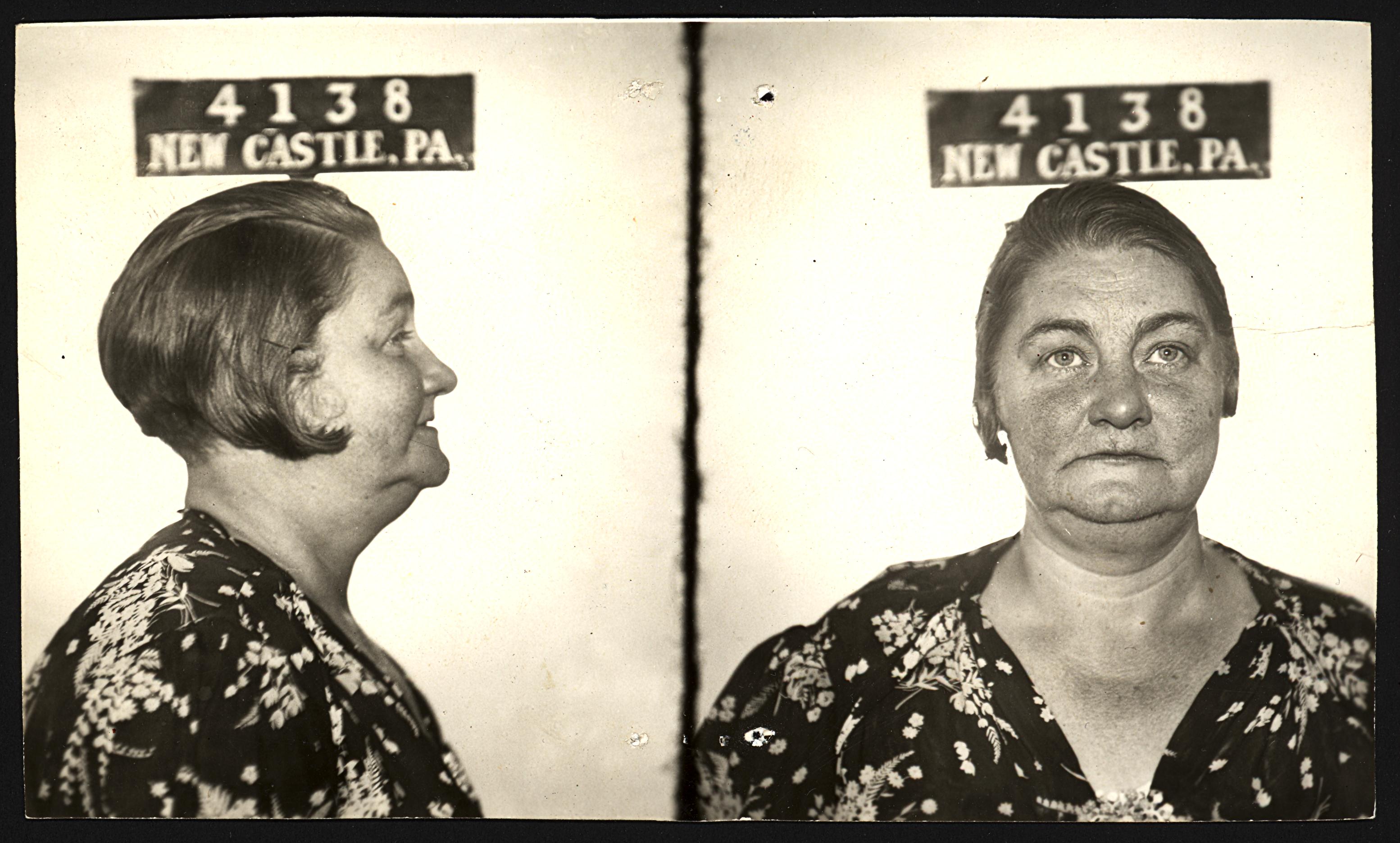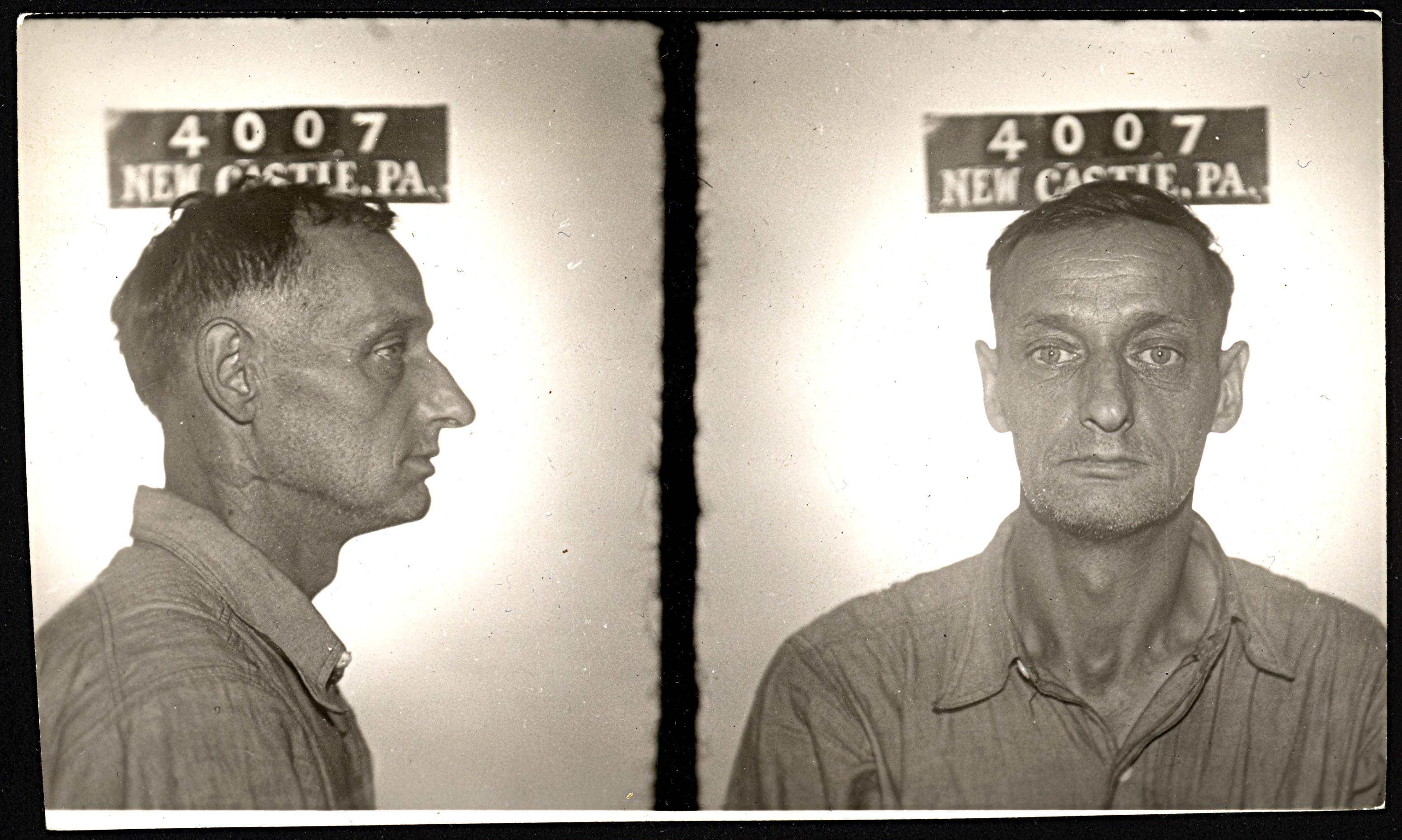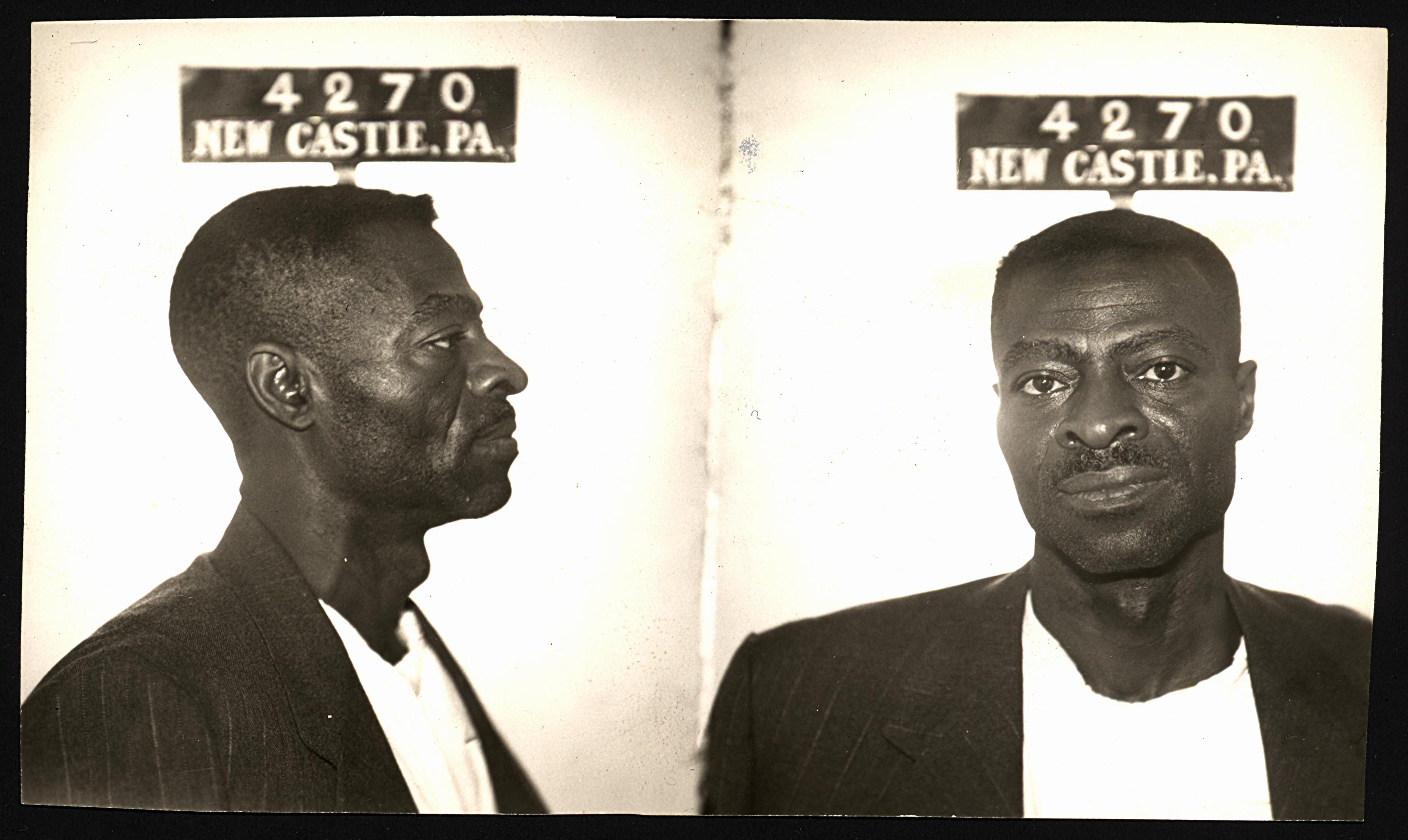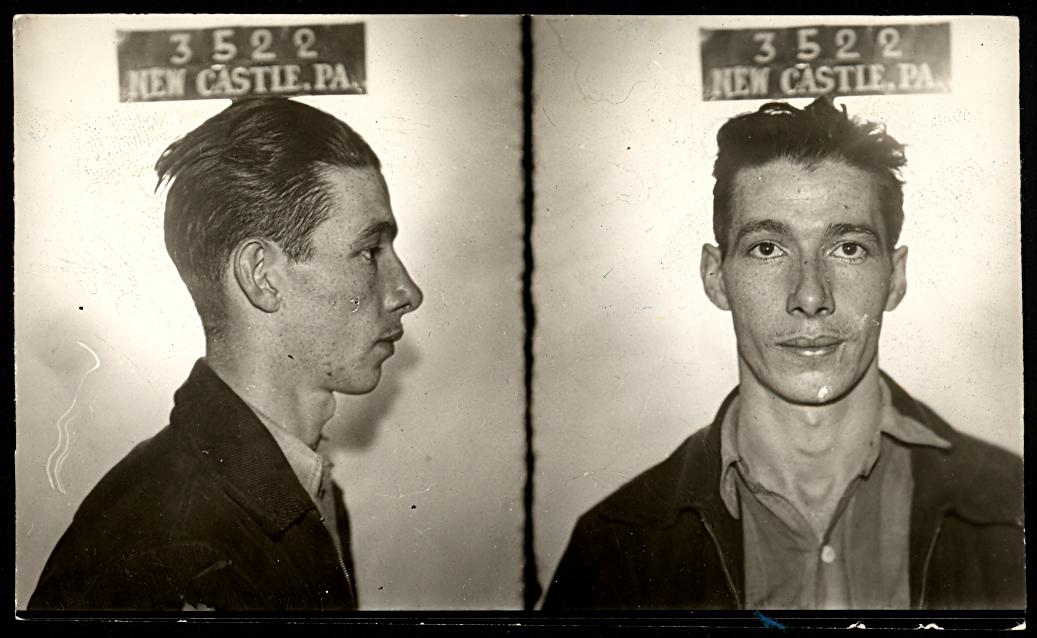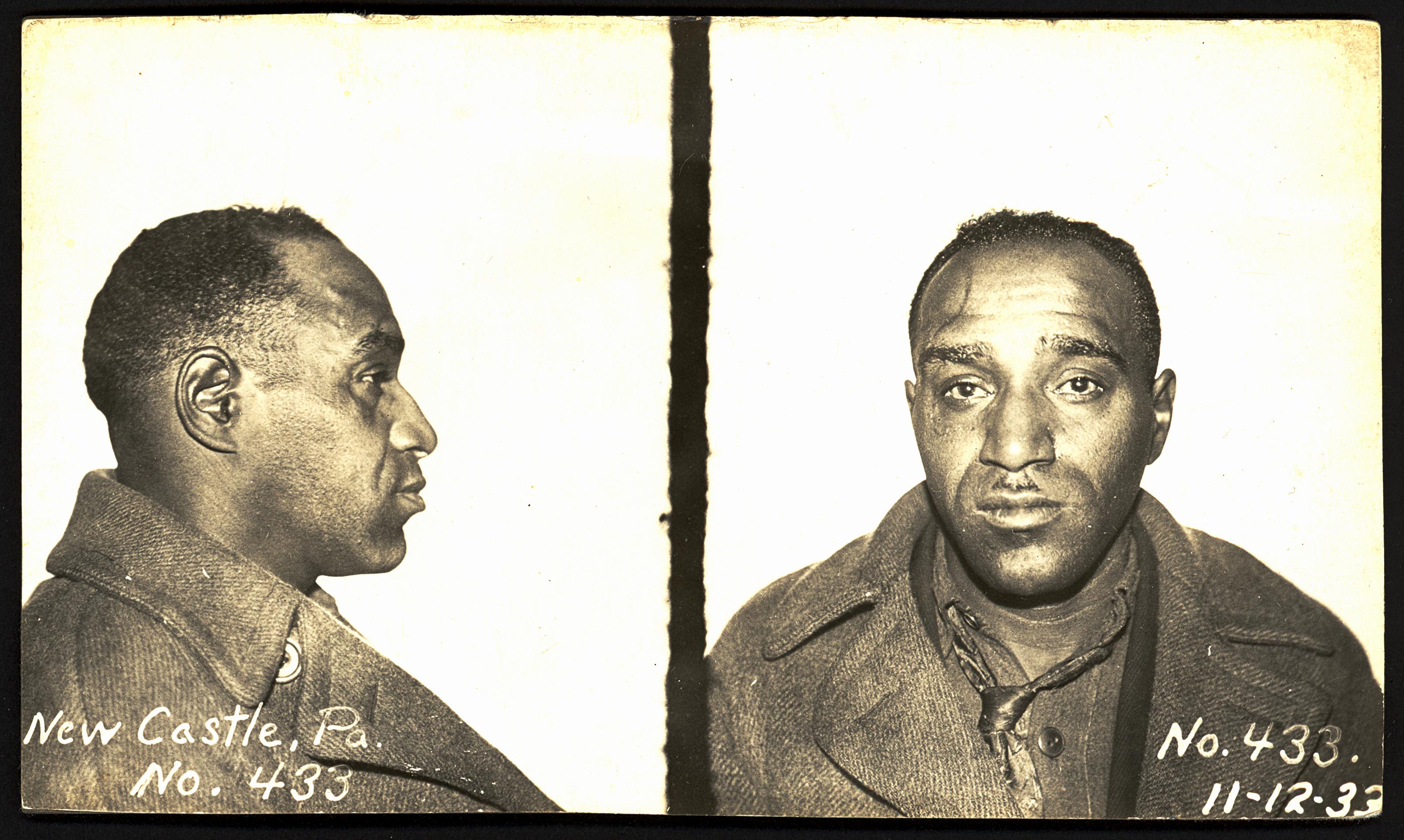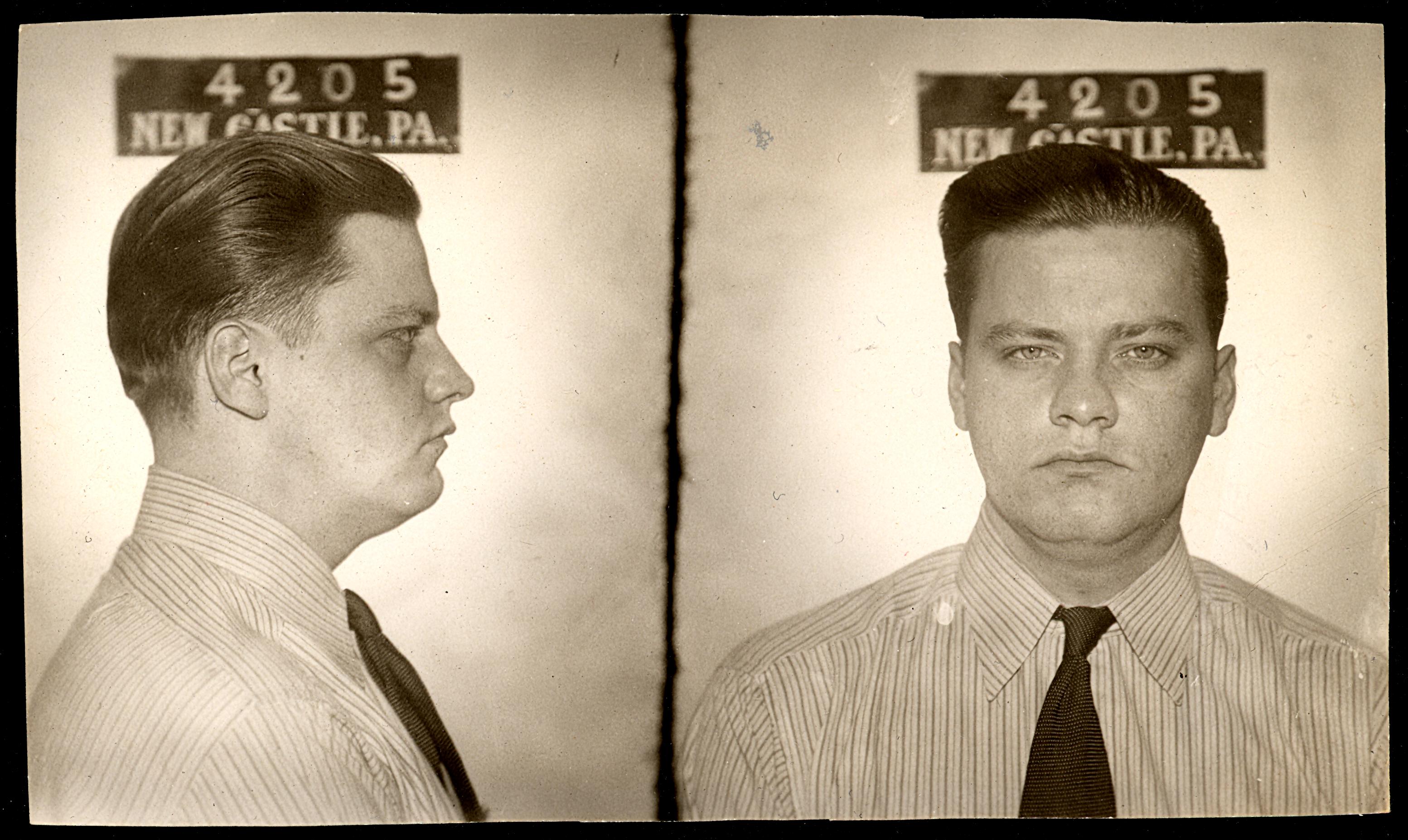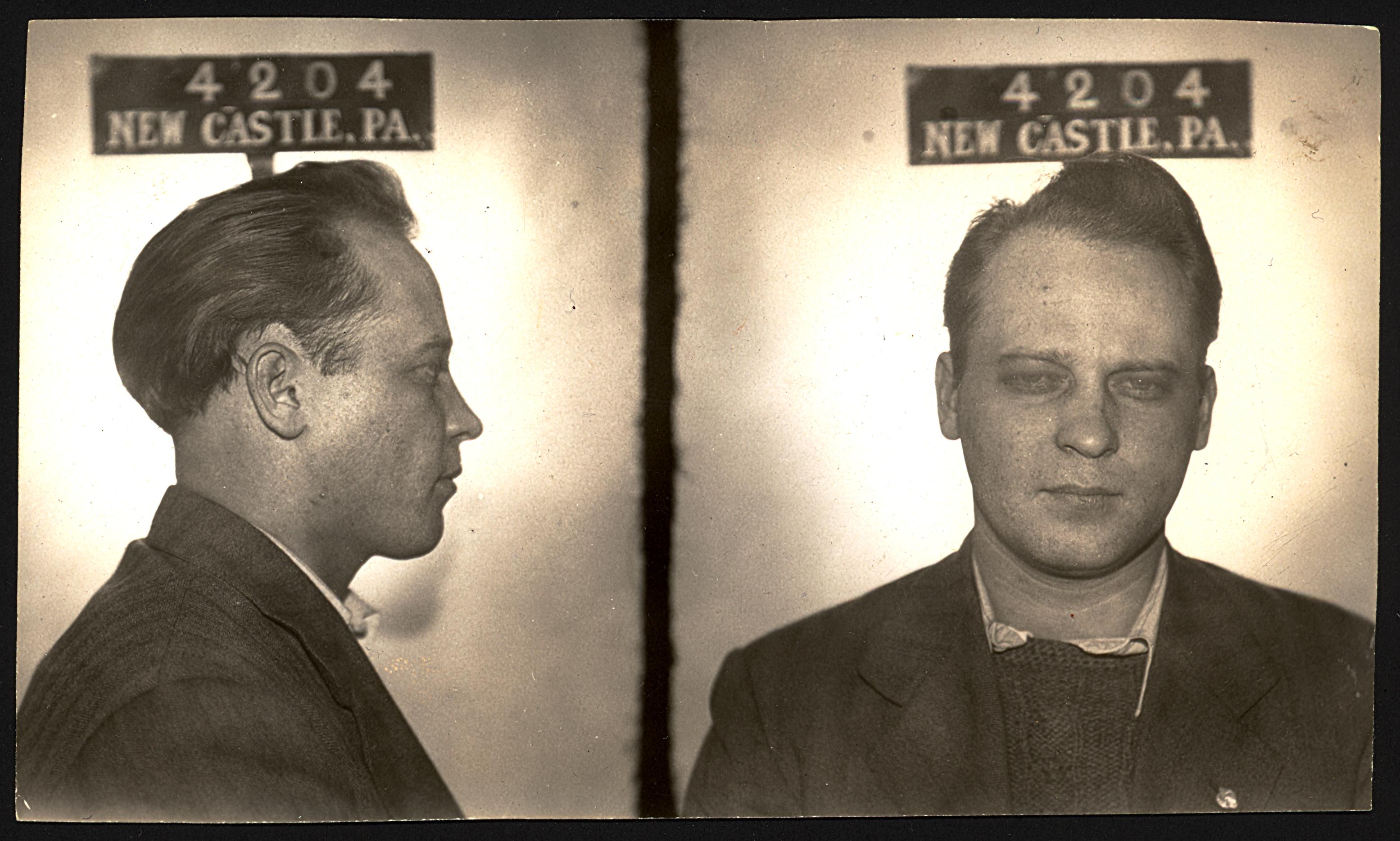
Emma Hilke, “Intoxicated Driver”, 25 July 1944

comments 8
Uncategorized

Around the time she was arrested for intoxicated driving, Emma Hilke and her husband, Emil, took over Eli Shifman’s grocery store on West North street. Emma had been born in America, to German immigrant parents. Emil and Eli had come to America from Germany when they were young men. It was July 1944, and it looked like the war was almost over. All three were waiting for news of cousins, aunts and uncles in Europe—Hilkes sheltering in basements as allied bombs dropped in the streets outside; Shifmans trying to survive the work camps to the east. There were reports that month that Hitler had almost been killed by a group of his own officers. Russian tanks were in Poland. British and American troops had taken Normandy. Everyone in town knew there wasn’t long to go.

Emma and Emil ran the grocery store for the next decade. Their son, Emil Jr, was arrested on a charge of molestation when he was nineteen, but was allowed to leave town to take up a post in the coast guard as a radioman. Emil died that year, and Emma gave up the store.

There is no record of Emma’s life between the death of her husband and her death in 1974, at the age of seventy-four.

Sources: New Castle News (17 Jan 1936, “To Open New Grocery”; 21 Feb 1936, “Married In Wheeling”; 8 June 1956, “Courthouse News”; 31 July 1956, “With Local Men And Women In Armed Forces”; 12 Sep 1974, “Deaths Of The Day”).

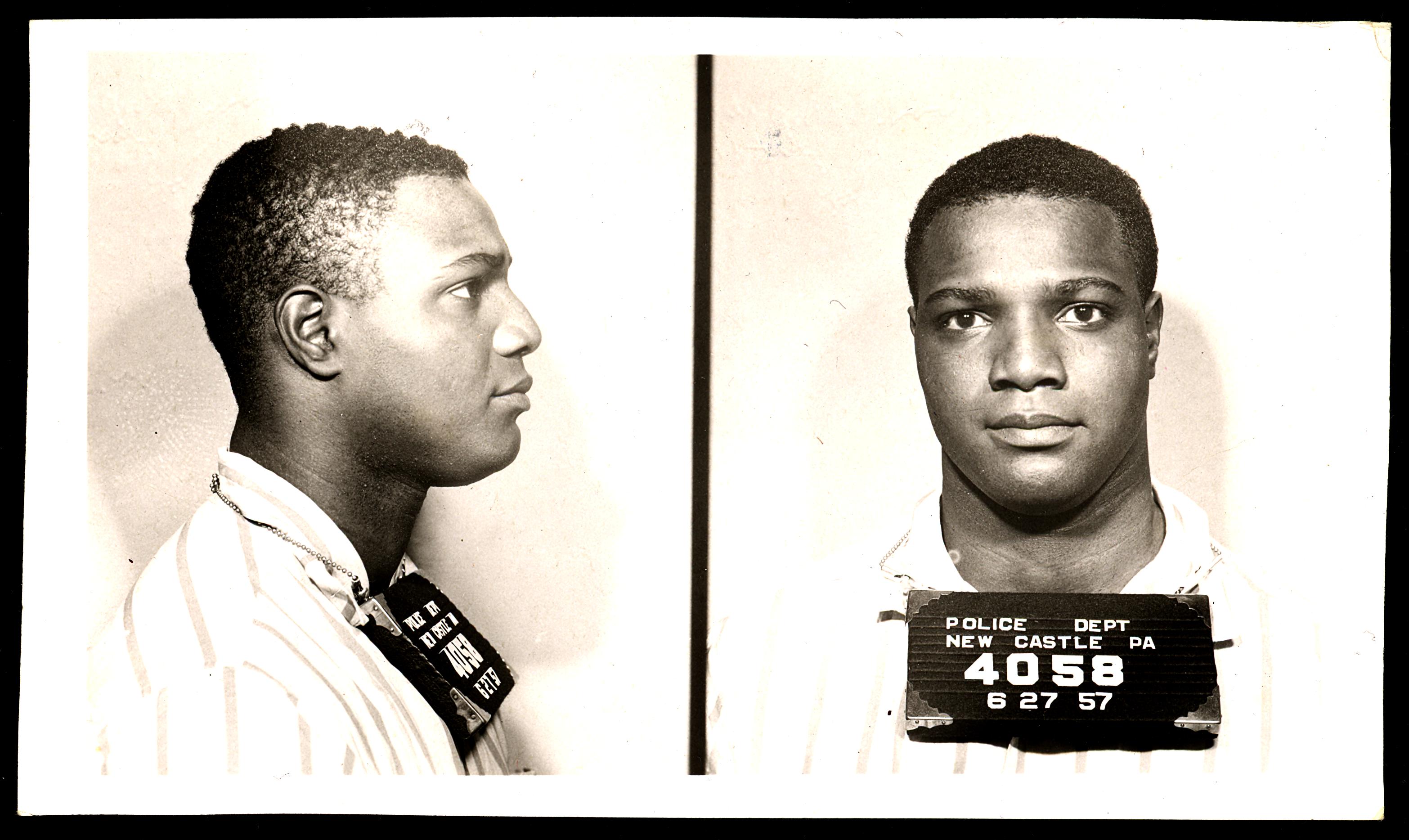
Charlie Tilden, “Loitering”, 27 June 1957

comments 4
Uncategorized

Charlie Tilden’s great grandfather, Charles, was born a slave on a southern tobacco plantation. He was over fifty before he was freed at the end of the civil war and immediately came north to New Castle, where he lived for the remaining thirty years of his life, long enough to raise a son, Charles Jr—who worked in downtown barber shops and was arrested every so often for burglary, drunkenness, gambling and carrying concealed knives and razors—and to see the birth of his grandson, Commodore, who served in a Negro labour regiment in France in the first world war and died of a heart attack in 1942.

Commodore’s son, Charlie, was fourteen when his father died. A few days after Christmas the following year, Charlie broke into the Croton avenue apartment of Izora Boggs, the proprietress of Boggs Beauty Shoppe, and stole $1,700 in cash, which he had in his possession for less than an hour before he was picked up by police. Mrs Boggs did not press charges, and Charlie was spared punishment.

Charlie left high school at the end of world war two and spent five years in the navy, where he learned how to box. When he returned to New Castle, he was taken on by a local boxing promoter, Bob Latera, who touted him as a potential heavyweight champion but did not have the necessary connections to secure fights in which Charlie could display his talents. After four years, Charlie had fought in only a few competitions, so Latera sold his distribution business and took Charlie to Los Angeles on a make-or-break trip. They arrived in California just before Christmas, a quiet season for boxing. They returned two months later, having failed to book a single fight.

That summer, Charlie went to Pittsburgh to fight before a crowd of seven thousand people—his first public engagement in two years—and was knocked out in the first round of a scheduled six-round fight. Latera was furious. He told the sports writers, “He didn’t box the way he was instructed. He did not do anything right. He simply got knocked out. There is no alibi for his defeat.” He quit as Charlie’s manager and retired from the boxing world to open a car showroom.

Charlie never fought professionally again. He trained young boxers at the Shenango YMCA for a few years. After he was arrested in 1957—during the opportunistic round-up of loiterers that also netted Floyd Armstrong—he left New Castle with his brother, Commodore, to get work in Chicago. They later retired to a place near Modesto, California, where Charlie died in 1999, at the age of seventy-two.

Sources: New Castle News (2 March 1898, “Charles Tilden”; 17 October 1898, “Barber Shops Were Robbed”; 1 May 1903, “Charles Tilden Arrested By Wife”; 25 May 1915, “Butcher Knife And Razor Found On Man”; 13 March 1942, “Deaths Of The Day”; 28 Dec 1943, “Hold Youth For Theft Of Money”; 7 Dec 1950, “Here And There In Sports Land”; 13 Nov 1952, “Here And There In Sports Land”; 15 Nov 1952, “Here And There In Sports Land”; 12 Jan 1953, “Here And There In Sports Land”; 18 June 1953, “Tilden Wins By ‘TKO’ In First”; 24 Nov 1953, “Here and There In Sports Land”; 15 Oct 1953, “Advertisement”; 11 Nov 1955, “Seeks Fame In California Boxing Ring”; 10 July 1956, “Greaves Wins; Tilden Kayoed”; 19 July 1956, “Surprise Knockout”; 21 July 1956, “Here And There In Sports Land”; 12 Oct 1956, “Here And There In Sports Land”; 23 Jan 1957, “Gray Teaches Boxing At Elm St YMCA”; 9 Feb 1957, “Boxers Train For Golden Glove Journey; 3 Jan 1958, “Here And There In Sports Land”; 22 April 1965, “James Tilden, 34, Dies In Roxbury”); Locategrave.com.

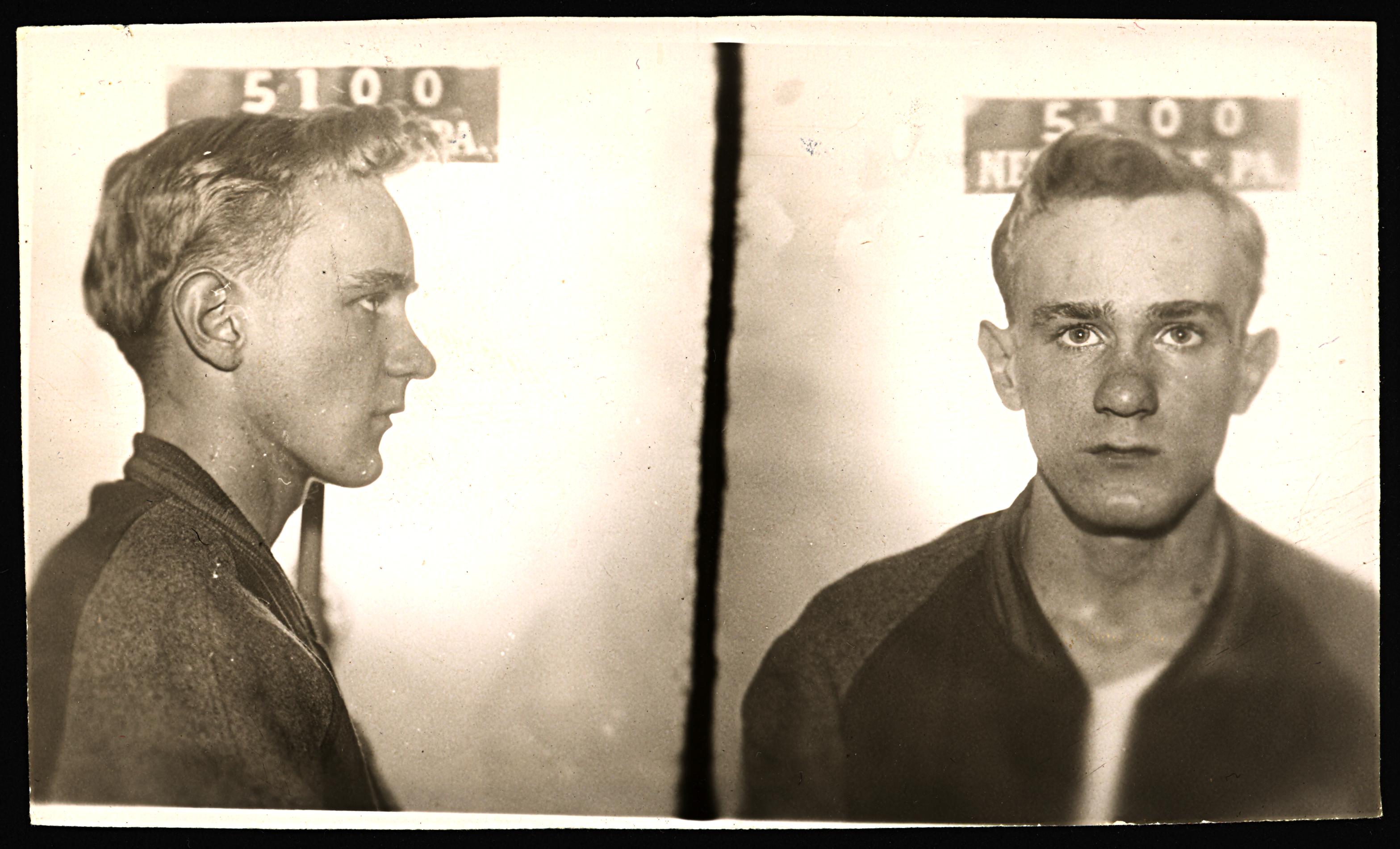
Samuel Webber, “Burglary”, 21 January 1949

comments 3
Uncategorized


The Bowens, an old couple who lived next door to the Clover Farm store on East Washington street, were awoken at almost two in the morning by the sound of someone prowling around outside. Mr Bowen went out with a flashlight to see what was going on while his wife called the police.

Samuel Webber and Frank Vanasco—two boys in the middle of their last year of high school—had broken into the store using a key that Samuel had stolen two weeks before. They had filled a sack with $40-worth of candy, cigarettes, gum and canned chicken when Mr Bowen’s flashlight shone in the front window. Frank ran out of the back door and drove off in his car. Samuel hid behind the candy counter before following Frank out the back and running to his house two blocks away.

Frank was caught when he circled back to try to find Samuel. Samuel was arrested in his home an hour later, after Frank gave the police his address. They pled guilty and were rewarded with a fine instead of jail. The following year, they both attended their graduation ceremony, where a local pastor delivered a commencement address entitled, “The Choices We Make”, in which he advised the boys—and the rest of the school—that certain choices in life have irrevocable consequences and that they should give thought to God before making them.

Frank joined the army and was sent to Korea. Samuel went to teachers college in Slippery Rock, joined the army when he graduated and spent a few years in an anti-aircraft unit outside Pittsburgh.

After the Korean war, Frank opened a nursing home in Mount Vernon and Samuel became a teacher in Butler County. There is no further record of their lives.

Sources: New Castle News (22 Jan 1949, “Two Youths Held On Charges Of Entering Store”; 28 Jan 1949, “Plead Guilty To Burglary”; 31 May 1950, “Diplomas Are Presented To 506 Graduates”; 18 March 1952, “S-FC Venasco Sent To Camp Rucker, Ala”; 2 June 1955, “Webber Is Selected Anti-Aircraft Unit ‘Soldier Of The Week’”; 29 Nov 1960, “Mt Hermon”; 14 Jan 1963, “Mrs B Webber Services Tomorrow”; 15 Sep 1973, “Deaths Of The Day”).

Joseph Dando, “Indecent Assault”, 14 August 1946

Leave a comment
Uncategorized

In the twenties, hundreds of thousands of people visited Cascade park every summer from across western Pennsylvania and eastern Ohio to enjoy its amusements, its man-made lake and its carefully presented scenery. The park suffered during the depression, never to regain its former popularity, but the second week of August, 1946, was busier than normal for that period. Large family picnics were held every day by bible study classes, the Lawrence County Red Cross chapter, former pupils of Mahoningtown school, Lutheran women of the western conference of the Pittsburgh synod, the Grace Bible church, the Christian church and the Daughters of Rebekah. Everyone agreed that there were fewer mosquitoes than there had been in previous years, perhaps on account of the long dry spell.

During one of those picnics, a man took a four-year-old girl into the woods and repeatedly molested her. The following week, Joseph Dando, a fifty-one-year-old man from Hamilton street, was arrested and charged with open lewdness and indecent assault of a minor. He spent a month in jail in default of $1,000 bail before being released. The case was eventually abandoned without a trial.

That year, the dam across the Big Run broke and Cascade park’s lake ran dry. In the fifties, after the dam was repaired, the park was given an overhaul and enjoyed better attendance than it had for years but before long the lake began to silt up and had to be repeatedly dredged over the next two decades. In 1972, the dam broke again and the lake drained away for good. The town had no money to pay for the repairs. The park’s rollercoaster and other rides fell into disuse and were torn down in the eighties. The public buildings, paths and facilities were in disrepair by the end of the century, when the dilapidated open-air swimming pool was shut down. An annual nostalgia weekend featuring classic cars and oldies cover bands, called “Back to the ‘50s”, is Cascade park’s only significant remaining attraction.

Sources: New Castle News (“Section C YLB”; 7 Aug 1946, “Lutheran Woman To Picnic At Park”, “Loyal Band Class”; 8 Aug 1946, “Edenburg”; 9 Aug 1946, “Section C Families Picnic At Cascade”, “Mahoningtown School Reunion Attracts Many”; 10 Aug 1946, “Section F Picnics At Cascade Park”, “Rachel Rebekah Picninc At Park”, “First Aid Club Has Picnic Supper”, “Old Mission Picnic”; 9 Aug 1946, “Pa Newc Observes”; 15 Aug 1946, “Arrest Suspect In Park Assault”; 17 Aug 1946, “Delay Hearing Of Man Held In Cascade Assault”; 11 Sep 1946, “Returns Are Made by Grand Jury”).

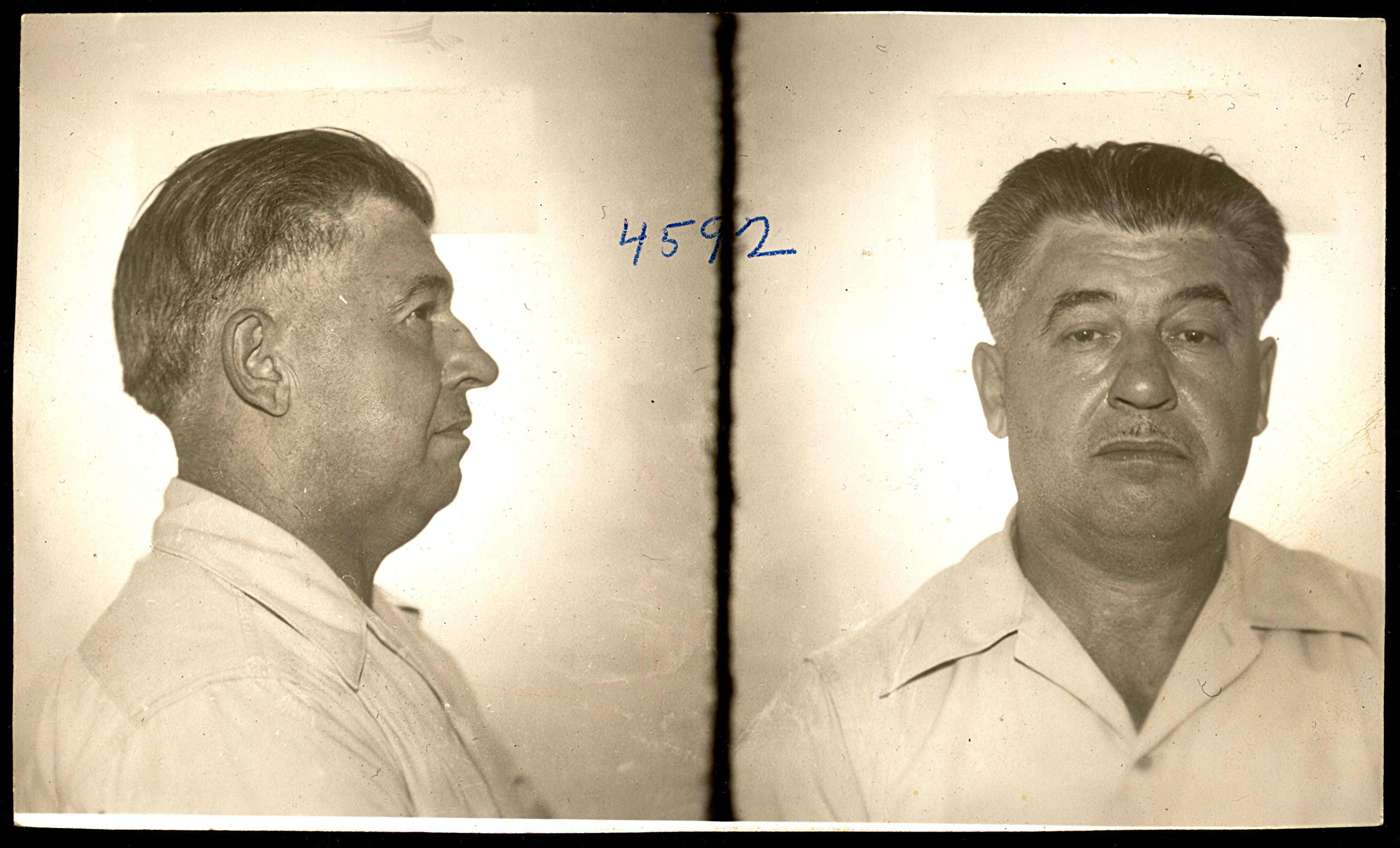
Frank Heckathorn, “Indecent Exposure”, 11 July 1943

comments 5
Uncategorized

Blackberries sold for about 25 cents a quart in the summer of 1921, when Frank Heckathorn and his cousins made a few dollars a day collecting them from the roadsides north of New Castle and selling them in the city. On the afternoon of July 15th, they had driven some miles out on the Pulaski road and Frank was searching for huckleberries in the bushes and trees by a lane on the old Greer farm when he came across an almost naked, battered body. He could not tell if it was a man or a woman. Frank heard “a slight noise” and ran back to his cousin and his cousin’s wife. He told them what he had seen and one of them suggested that it might be a case of murder. If it was, the murderer might still be nearby. They returned to their car and drove two miles around the farm to the lane, so that they could investigate in safety.

Parking at a spot near where Frank had seen the body, they shouted into the wood—“Hello? What’s the matter, buddy?” and “Are you sick?”—but received no reply. The men told each other that it was probably a passed-out drunk and they drove off. Frank’s cousin’s wife began to cry, and didn’t stop until they pulled over at a friend’s house on the Wilmington road and called the sheriff, who drove out to meet them.

Frank took the sheriff to the lane and led him to the place where he had seen the body. It lay on a patch of torn-up ground, wearing only a torn undershirt, one stocking and one shoe. A hat, broken glasses and blood-soaked clothes were scattered all around. The sheriff said, “My God, it’s the Lennox girl!”

Frank and his cousins had not heard the news but a fourteen-year-old girl from Moody avenue, Clara Bell Lennox, had gone missing the previous morning. Her parents had contacted the police some hours after she should have returned home. A description of her had been issued—she was “of quiet disposition”, she looked like a girl of sixteen, her shell rim glasses gave her a mature appearance, she had a squint in one of her eyes—and at that moment, groups of police and volunteers were searching the city and its environs for any trace of her.

The sheriff examined the body. Clara Bell’s back was covered in deep scratches. Her skull was cracked. Her left eye had been knocked out of her head. But she was still alive. Frank was sent to the nearest house to borrow some sheets to wrap her in but, by the time he returned, the sheriff and his cousins had left, taking Clara Bell with them to the hospital.

After Clara Bell recovered, she identified a local forty-one-year-old man named Thomas Verne Ryhal as her attacker. He had met her on Highland avenue, near her home, and offered to drive her into town. She had accepted but, instead, he had driven her out to the lane on the old Greer farm, where he told her that his wheels had become stuck in a rut. When she knelt down to see what the problem was, he hit her with a monkey wrench.

Four months after the attack, while Thomas Rhyal was on trial for assault, Clara Bell collapsed with convulsions. She died soon after. The autopsy discovered an abscess at the base of her brain, caused by an infection that had entered when her skull was fractured. The charge against Thomas Ryhal was changed to murder.

Frank’s role in the trial was small—he was twice called to tell the story of his discovery of the girl—but his description of the scene helped the prosecution to convey the callousness of Clara Bell’s killer. Thomas Ryhal was found guilty and sent to the electric chair in Rockview penitentiary one year later.

Frank and his family moved to a farm near Volant, in the north of Lawrence County, in the thirties. In 1943, just after midnight on July 10th, six boys who were parked near Graceland cemetery, on the eastern edge of New Castle, were frightened by what they described to police as a half man, half beast that scratched on the car’s window and waddled away when they shone a flashlight on it. The canine control officer examined the area but could find no animal tracks. The police suspected it might be a pervert.

The next night, posses of youths roamed the Graceland and Oak Park cemetery districts looking for the creature. State, county and city police were out in force, too. They arrested half a dozen boys and girls for trespassing in the cemeteries and one man—Frank Heckathorn—for indecent exposure. Frank was given a $1 fine and four months in the county jail. The half man, half beast was never seen again.

Sources: New Castle News (15 July 1921, “Clare Lennox, 14, Disappears While On Trip To Store”; 16 July 1921, “Persons Who Found Lennox Girl Tell Story Of Discovery”, “Girl Battles For Life”; 16 Dec 1921, “Clara Lennox’s Testimony Is Read To Jurors”; 25 July 1921, “Ryhal Now In Custody”; 26 July 1921, “Davies Girl Identifies Ryhal”; 25 Oct 1921, “Verne Ryhal Given Hearing”; 14 Nov 1921, “Clara Lennox Near To Death”; 28 Nov 1921, “Charge Ryhal With Murder”; 30 Oct 1922, “Ryhal Pays Death Penalty”; 1 April 1937, “Personal Mention”; 10 July 1943, “Mystery Creature Is Being Sought”; 12 July 1943. “Police Warn All Amateur Posses”; 14 July 1943, “Around City Hall”; 17 July 1943, “Sentence Court”).

John Parks, “Burglary”, 11 June 1945

comments 2
Uncategorized

Three hundred and nine bottles of whiskey were carried out of the state liquor store on Liberty street at three in the morning on 8th May 1945. The pinch bar that had been used to force the door was the only trace left by the burglars.

A month later, Archie Shoup, the chief of police in Bessemer, ten miles west of New Castle, was making a patrol at three in the morning when he saw two men behaving suspiciously near the state liquor store on Poland avenue. He was too far away to tell what they were doing, so he made his way toward them behind a row of houses, and watched as they carried cases of liquor from the store and piled them up beside a Buick coupe across the street.

Shoup shouted at them to halt and they started to run. He fired six shots and both men fell to the ground. One was hit in the arm and the shoulder, a bullet passing through his chest just above his heart; the other was not hit at all. He ran to the car while Shoup was distracted and drove off before he could reload.

John Parks, the wounded robber, was taken to New Castle, where he was kept in the hospital under armed guard. James Manseur, the other, drove to Cleveland, where he and John came from. He was arrested there two weeks later. John pled guilty to the Bessemer robbery. James was charged with the Bessemer and New Castle robberies. There is no record of the outcome of the cases.

Archie Shoup was Bessemer’s chief of police for twenty-two years, from prohibition to the second world war. He shot a handful of other men as they attempted to flee arrest, none fatally, and died of cancer in 1955.

Sources: New Castle News (15 Jan 1931, “Pair Captured After Robbery”; 28 May 1945, “State Liquor Store Is Robbed”; 11 June 1945, “Believe Pair In Bessemer Robbery Shot”; 12 June 1945, “Man Wounded By Bessemer Chief Is Under Guard”; 20 June 1945, “New Arrest In Robberies Here”; 13 May 1955, “Archie A Shoup Dies Early Today”); Youngstown Vindicator, 13 June 1945, “State Police Guard Suspect”.

Ernest McDole, “Burglary”, 16 January 1941

comments 7
Uncategorized

The police spent almost a week hiding upstairs in the grain storehouse on Hugh Martin’s farm, fifteen miles south of New Castle in Big Beaver township, in the hope that the thieves who had taken a hundred bushels of corn would return for more. It was the middle of January. Freezing mist filled the valleys. Deep snow covered the hills. The officers were not permitted to light a fire to warm themselves.

On the fourth night, the officers heard someone unlocking the door. They gave the thieves enough time to sack some grain then came down the stairs. They found two full fourteen-bushel sacks of grain and two men whose forms they could only dimly make out. One man, Ernest McDole, surrendered, but the other ran out of the door into the night. Deputy Sheriff George Dean—who had a farm of his own in Slippery Rock township—fired both barrels of his shotgun after him, then fired six bullets from his pistol. A car started up and drove off. A torchlight search later showed blood splashed on the snow.

In the county jail, Ernest said two men had been with him, one waiting in the car, but that he did not know their names and had never seen them before they had driven up to his house in eastern Ohio, twenty-four miles from the farm, and asked him if he wanted to make a couple of dollars. It was an obvious lie, and of only limited help to his accomplices. A week after Ernest’s arrest, Albert White and Ernest Tuttle, the latter with buckshot wounds peppering the backs of his legs, were taken into custody. All entered pleas of guilty. Within the week, Albert White was caught in the act of sawing through the bolt on his cell door with a saw that had been smuggled into the jail by Dorothy Hardman—“a good-looking young woman, married, with three children”—who asked for leniency as she had acted out of love.

Ernest McDole was fined $1 and given from two to four years in the Western penitentiary. Ernest Tuttle, who had co-operated with the police, received a $1 fine and only eight months in the workhouse. Albert White, the ringleader, was given three to six years in the Western penitentiary. Dorothy Hardman was released from custody after spending a month in the county jail awaiting trial.

Ernest worked at the Crucible Steel plant in Midland. He died on Christmas morning, 1981, at the age of sixty-five.

Sources: New Castle News (17 Jan 1941, “Deputies Trap Man In House”; 18 Jan 1941, “On Court House Hill”; 23 Jan 1941, “On Court House Hill”; 3 March 1941, “Enter Pleas To Burglary Charge”; 8 March 1941, “Charge Woman Took Saws To Jail Prisoner”; 5 April 1941, “Granary Robbers Are Sentenced”; 25 October 1943, “Former Sheriff Ingham Named To Take Post”).

Ad Hambrick, “Stopping Traffic”, 12 November 1933

Leave a comment
Uncategorized

A Negro speakeasy on Mahoning avenue, run by a man known as Little Alabama, was raided by police in August 1933 in an effort to recover a fine watch that had been stolen from a white customer while he was spending time with a prostitute named Irene Smith. Eight people were arrested, including Ad Hambrick. All were released a few days later, having revealed nothing about the whereabouts of the watch, which was never recovered. Ad was arrested again a few months later for stopping traffic on Jefferson street. There is no record of any sentence.

Noah and Augusta Hambrick, Ad’s uncle and aunt, had come to New Castle from North Carolina in 1910. They lived in a house on West North street with their four children and other members of their families who followed them north over the years. Ad lived with them for a long time, even after he beat up his cousin’s wife, Myrtle, in 1937. He was still there in 1943, when he was admitted to the hospital after one of his brothers cracked his skull with a hammer.

After the war, Ad left New Castle and went to Pittsburgh. On a snowy night five days before Christmas, 1955, he was arrested on a vagrancy charge and placed in a cell, where he died a few hours later from what the coroner described as natural causes. He was fifty-six years old.

Sources: New Castle News (22 Aug 1933, “Negroes Discharged In Robbery Case”; 23 April 1934, “On Court House Hill”; 22 April 1937, “Gets Hearing Saturday”; 14 March 1938, “Son Wounded By Bullet In Struggle”; 20 April 1943, “Struck With Hammer”; 17 Dec 1948, “Hambrick Funeral Time”); Pittsburgh Post-Gazette, 20 Dec 1955, “Man Is Stricken In Jail Here”.

Harold Geary, “Armed Robbery”, 2 February 1945

comments 8
Uncategorized

A broken eardrum kept Harold Geary out of the war. His friend, Ross Paswell, had been sent home after having been found unsuitable for naval service. They robbed the Wilson café in Ellwood City at gunpoint in January, 1945. The $50 that they took from the till lasted them four days, at the end of which they and their girlfriends were arrested. The women were given short sentences in the workhouse; the men were sent to the state penitentiary for six to twelve years.

Harold served his time without event and returned to Ellwood City, where he opened Geary’s Cycle Center and managed a motorcycle racing team that represented New Castle in state-wide competitions during the 1970s. He died in 1996, at the age of seventy-four.

Sources: New Castle News (3 Feb 1945, “Arrests Solve Ellwood Case”, 7 Feb 1945, “Four Arrested In Café Robbery Are Given Sentences”; 29 March 1974, “Bike Business Booms”; 8 July 1975, “Local Cyclists Take Places”; 5 Aug 1975, “Local Cyclists Take Places”; 12 Aug 1975, “Geary’s Racers Win Trophies”); Beaver County Times, 14 Aug 1976, “House Of Moto Wins Cycle Competition At Bel Mesa Course”.

Ross Paswell, “High W Robbery”, 2 February 1945

comments 7
Uncategorized

On 25th January 1945, when Ross Paswell’s former comrades in the American navy were firing thousands of shells into the hillsides of Iwo Jima, destroying Japanese installations that were blocking the advance of the marine corps in the early days of a battle that would end the lives of twenty-five thousand men, Ross, who had been found unsuitable for naval service the year before, was robbing a café in Ellwood City, along with a man named Harold Geary, who was 4F on account of a broken ear drum.

Ross and Harold forced the café owner at gunpoint to hand over the contents of the till—$50—and drove off in a stolen car. They picked up their girlfriends—one of whom, Maria White, was married to an overseas marine—and drove south through heavy snow, stealing other cars in Washington and Uniontown on their way to Connellsville where, the police later said, “they lived as men and wives” for four days.

They were arrested when they returned the women to their homes in Beaver Falls. All four were taken back to New Castle, where they pled guilty to the charges against them. The men received six to twelve years in the state penitentiary for armed robbery and auto theft; the women got one to two years in the workhouse for being accessories after the fact.

Ross had difficulties in jail. He protested about the lack of educational opportunities, recreational facilities and an adequate diet. In return, he spent a great deal of time in the hole—a concrete cell with a concave floor beneath the administration building, with no furniture, toilet or light, where, after being stripped naked, he would have to sit, squat or lie in his own urine and excrement for up to seven days at a time.

After six years, Ross was paroled. He found that he was unable to buy a car, due to his criminal record, so he used a false name to sign the papers. His deception was uncovered, and he was returned to jail to serve the rest of his ten-year sentence.

Ross was released in February 1955. Four months later, he married a woman named Marjorie Dougal and moved into a house in Ellwood City, where he became a self-employed landscaper. Marjorie was pregnant for most of the next decade, producing two sons and six daughters before 1969, when she had Ross arrested for an assault in which he cracked two of her ribs. Ross and Marjorie were divorced as soon as the court would allow.

The following year, living alone in New Castle, Ross began to write long letters to the New Castle News in which he discussed the social upheaval that he saw going on around him. He said that the disillusionment of the young was entirely justified, that they had been betrayed by the capitalists and the communists, the liberals and the conservatives. He urged understanding of the Weathermen and other leftist bombers, whom he described as keeping America’s conscience awake. He spoke of the outright revolution that was to come and called for the United Nations to declare the ghettos, the Indian reservations and the migrant worker camps disaster zones and send in observers to determine if the under-privileged, the poverty-stricken and the down-trodden were being treated humanely. He said that the only way America could save itself and the rest of the world was to take all that was salvageable from the Judeo-Christian traditions and combine that with Zen Buddhism. He contemplated his time in jail and what he had done to Marjorie, and wrote that he considered that the dehumanising punishments to which he had been subjected had left him with a slow-burning animal rage that could burst into flame at any moment.

In October of that year, Ross was jailed for one to two years for passing bad checks at his local supermarket. He immediately began to campaign for prison reform, writing letters to congressmen, senators and the state attorney general to draw attention to the paucity of fruit in the jail diet, the lack of adequate light for reading and the fact that there were no laundry facilities. He also made “a silent commitment to the teachings of Christ” when he was given a few packs of tobacco and candy by a visiting preacher following an Easter service.

On his release in 1971, when he was fifty-one years old, Ross founded an organisation called IOU, Inc, which was made up of local business and professional people and ex-convicts who volunteered to help convicts reintegrate into the community when they got out of jail by providing them with employment, loans and fellowship. It became known throughout the state correctional system as an example of how to rehabilitate offenders. Ross was invited to speak at state anti-crime hearings. He was described as an inspirational figure by leaders of the community. His views on the political issues of the day—for example, that Richard Nixon had allowed “an arrogant clique of power mad political appointees to manipulate governmental agencies by adopting Nazi philosophies that are contrary to the morals and ethics on which our democracy was founded”—continued to find an outlet in the pages of the New Castle News.

Ross kept on working with ex-convicts until old age prevented him from doing any more. In one of his last published letters, he wrote, “Looking back over the life I have been compelled to live as a convict and ex-convict, considering the psychological scars imprinted on my mind, knowing that I could have been reduced to an animal, it has to be the continuing grace of God that I am alive, free and still a human being.” He died in a nursing home in 2008, at the age of eighty-eight.

Sources: New Castle News (3 Feb 1945, “Arrests Solve Ellwood Case”, 7 Feb 1945, “Four Arrested In Café Robbery Are Given Sentences”; 8 March 1952, “Court House”; 10 March 1952, “Court House”; 24 Sep 1955, “Court House”; 20 May 1969, “Man Is Arrested On Assault Charge”; 4 Dec 1969, “The People Write”, 18 March 1970, “The People Write”; 23 April 1970, “The People Write”; 13 Oct 1970, “Paswell Hearing Set Oct 20”; 9 Jan 1970, “A Look From The Inside”; 14 Jan 1970, “Court Grants Divorces To 43 Persons”; 8 March 1970, “Wiseman Jury Selection Started”; 21 April 1971, “The People Write”; 26 June 1971, “Who’s Second Chance Is It Really?”; 4 Aug 1972, “IOU Holds Parley, Plans More Events”; 18 Nov 1972, “Progress Cited At IOU Dinner”; 2 Aug 1973, “The Majority Of Responses Say: Poppycock”; 15 Dec 1973, “The People Write”); Ellwood City Ledger (3 May 2008, “Marjorie E Paswell”; 13 Aug 2008, “Ross E Paswell”).